
This safety alert reminds workers of the dangers involved in cutting conduits that contain or are located near electrical circuits.
Background
There have been two recent deaths from a fatal electric shock, by workers who cut conduits that contained electrical circuits.
In the first incident, an air conditioning service technician received a fatal electric shock while carrying out repair work on the drain pipe of a roof mounted air-conditioning unit.
While cutting the drain pipe, the technician damaged the energised electrical wiring feeding the air-conditioning unit. The wiring was within another conduit alongside the drain pipe.
In the second incident, an electrical contractor got a fatal electric shock while cutting a conduit.
He was replacing a faulty lighting circuit that was located in an underground heavy-duty PVC conduit. He started doing repairs, when the replacement cable became stuck.
The worker then dug a trench, exposing a section of the conduit and cut through it with conduit cutters. He struck an energised 415 volt three phase sub-main circuit that was in the same conduit as the lighting circuit he was working on.
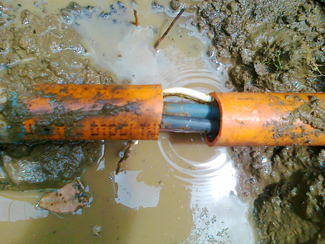

Photo 1: Separate circuits within the same conduit.
Photo 2: Electrical conduit next to drain pipe.
Action required
Anyone carrying out electrical work must:
- develop and implement safe systems of work, and give workers information, instruction, training and supervision
- identify and isolate the contents of all conductor enclosures before starting any work
- thoroughly examine the start and end points of the conduit to work out if electricity is running through it
- treat conductors as energised and follow procedures for working on energised electrical equipment until all electrical circuits have been de-energised, isolated/disconnected and proven de-energised using an appropriate multimeter
- find the main switch for the premises and turn off the power - attach a danger tag or lock the switchboard to ensure the power remains off until the work is completed
- as a final check, use a voltage proximity tester to determine if conductor is energised. 'Test Before You Touch' safe work procedure should be followed in all steps of the job
- read our section on electrical and power safety to help reduce your risk of injury.