
This safety alert is to remind businesses (PCBUs) and workers working with super tilt heavy recovery vehicles of the hazards associated with the plant in particular, winches, cables and powered elements used to haul, load and secure vehicles.
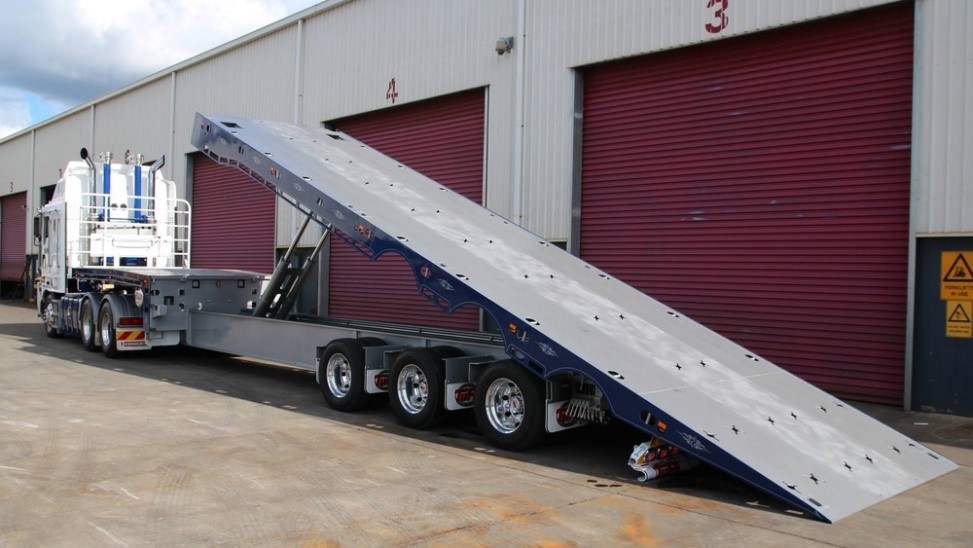
Super tilt trailers can tilt and slide and allow for the transportation of containers, heavy machinery, and heavy vehicles. In most cases upper tilt operates in the form of an articulated vehicle, that is a prime mover and attached tilt trailer.
Background
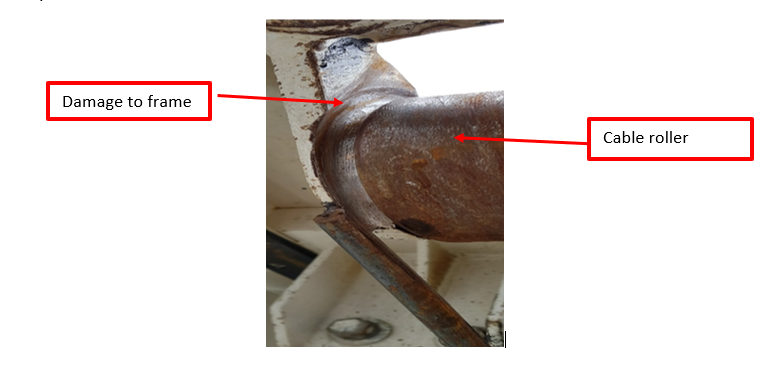
In February 2021 a worker operating a super tilt trailer fitted with a double winch and cable arrangement sustained serious injuries to his hand including partial amputations to his fingers when the cables came off and cable roller became caught between the cable drum roller and the tilt frame. As the worker attempted to dislodge the cable his hand was caught between the loaded cable and the tray. Significant grooves in the frame was evidence the damage was caused by previous operations whereby the cables had ‘crossed over’ during the vehicle recovery process.
Crossing over of cables is recognised as a practice that does occur, however it is not industry best practice.
Unsafe work practices of crossing over of the cables is sometimes done at the initial stage of winching to recover and position a load, particularly if the load is located lateral to the trailer. In such cases, a ‘snatch block’ should be used as an alternative to crossing the cables as this will assist in the winching process and eliminates the likelihood of cables crossing over.
The crossing over of cables will result in the excessive wearing of the winch and associated components.
Key considerations
Super tilt trailers differ in some critical ways to standard tilt recovery truck, most notably that they have multiple cables and winches that are used to load and secure the load.
Super tilt trailers must be used in accordance with the manufacturer’s recommendations. Failure to do so may result in premature failure of components which may increase the risk to health and safety of workers using the equipment.
Thorough inspection of super tilt trailers and in accordance with the manufacturer’s recommendations is critical in ensuring the equipment is operating correctly and is safe to use.
Action required
Work Health & Safety Legislation requires businesses (PCBUs) to ensure that risks to the health and safety of workers, and others, in relation to the use/operation of plant are eliminated, or if that is not possible, minimised so far as is reasonably practicable.
Businesses must consult with workers and their representatives when they are identifying hazards and making decisions about the best ways to eliminate or minimise these risks.
Businesses must provide the required information, training, instruction, and supervision that is necessary to protect workers from the risks to health and safety arising from the work being carried out and in particular to the tasks being undertaken.
Businesses must provide and maintain safe systems of work, in this case for the safe use and operation of the winches and associated equipment, cables, snatch block etc. Check with the operation manual and consult with the manufacturer to understand the operating conditions and requirements for the plant.
Businesses must ensure all plant are inspected and maintained so that they are in a safe condition when used/operated.
Key points
- Establish and maintain a system for regular inspection of the plant including daily prestart checks.
- Establish and maintain a system for the regular maintenance of all plant. Maintenance must be undertaken by a competent person, and in accordance with the recommendations of the manufacturer of the plant, and at least annually.
- Establish and maintain agreed safe systems of work in relation to the use and operation of the tilt trailer and associated components.
- Ensure all the required plant and equipment required is inspected and available i.e. snatch blocks
Further information
SafeWork NSW Code of Practice: Managing the risks of plant in the workplace
SafeWork NSW Code of Practice: How to manage work health & safety risks
AS 2550.1-2011; cranes, hoists and winches-General requirements
AS 5400-2015 Tow trucks – Tilt, slide and underlift vehicles
The information contained in this safety alert is based on SafeWork NSW’s knowledge and understanding at the time of writing. No conclusions should be drawn from the information in this alert, about the cause of the incident or the culpability of any party.
Back to top