
This safety alert reminds electrical workers of the hazards associated with working on or near energised (live) electrical equipment. These hazards include electric shock, arc flash explosion and fire.
Background
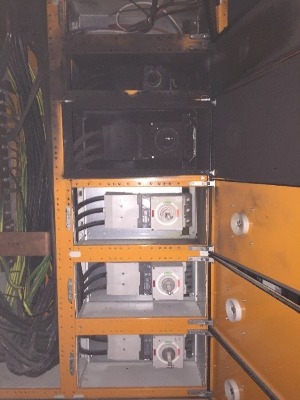
In November 2018, two electrical workers received serious burns from an arc flash explosion that occurred while they were connecting electrical supply wiring to a new electricity meter. The meter was being added to an existing electrical installation within a switch room of a large commercial/residential building. Investigations into the incident are ongoing.
What is arc flash?
Arc flash is the light and heat produced from an arc fault - created by a short circuit between two conductors; phase to phase or phase to earth. The massive energy released in the fault can rapidly vaporize the metal conductors and tools involved, changing it from a solid state to a gas vapour (plasma) that expands with explosive force (arc blast). The temperature of the plasma can reach 19,000ºC – hotter than the surface of the sun. Exposure to the noise, concussive forces, blasted molten metal, high-energy radiation and temperatures can be catastrophic.
The radiant energy released by an electric arc is capable of permanently injuring or killing people. Arc flashes may cause severe burns to the skin and flash burns to the face and eyes. Inhaled hot gases and molten particles can cause serious internal burns to the throat and lungs. Injury can also occur through the impact from flying debris and dislodged components, or by the concussive blast.
Actions required
Electricians including Accredited Service Providers (ASPs) must not work live on customer’s electrical equipment or installation merely because it is more convenient. Convenience is not an excuse to carry out dangerous work.
The Work Health and Safety Regulations (WHS Regulations) in NSW prohibit work on energised (live) electrical equipment unless one or more of the exceptions under the WHS Regulations applies. Refer to SafeWork NSW Code of Practice: Managing Electrical Risks in the Workplace for more information on the few circumstances under which working live is permitted and how it should be carried out.
Working de-energised eliminates significant electrical risks. The following are the key steps for an effective isolation of electrical supply.
- Consultation: consult with the person who manages or controls the workplace or the premises (eg in relation to the timing of the work) and notify any other affected people as appropriate
- Isolation:
- identify the circuit(s) requiring isolation
- disconnect active conductors from the relevant source(s), noting there may be multiple sources and stand-by systems/generators/photovoltaic systems as well as auxiliary supplies from other boards
- if a removable or rack out circuit breaker or combined fuse switch is used, it should be racked out or removed then locked open and danger tagged
- each high-voltage exposed part must be earthed after proven de-energised
- Securing the isolation: lock the isolating switch(es) or remove and tie back relevant conductors to protect the people carrying out the electrical work
- Tagging: tag the switching points where possible to provide general information to people at the workplace
- Testing: test to confirm the relevant circuits have been de-energised along with any other relevant conductors in the work area, and re-test as necessary.
The safe work procedure 'Test for 'dead' before you touch’ must be applied at all times.
Important information for meter installers
Installing or replacing an electricity meter requires the proper isolation of the electrical supply at the Service Protection Device (SPD) before proceeding. If the SPD is missing or inoperable, workers must stop work. An isolation on the distribution network must be arranged before proceeding with the meter installation.
Important information for accredited service providers (ASPs)
The provisions of the ASPs accreditation and authorisation applies only to contestable work undertaken in accordance with:
- NSW Department of Planning & Environment – Accreditation of Providers of Contestable Service (Scheme Rules); and
- Accredited Service Providers Authorisation requirements with distribution networks (Ausgrid, Endeavour or Essential Energy) and their relevant Electrical Safety Rules
It is important that ASPs distinguish between the different requirements when carrying out contestable work on the electricity network (as an ASP) and electrical work on a customer installation (as an electrical contractor). Electrical contractors are required to manage the risks associated with electrical work in accordance with Part 4.7 of the Work Health & Safety Regulation 2017.
Further information
- Work Health and Safety Regulations 2017 (Part 4.7)
- SafeWork NSW Code of practice: Managing electrical risks in the workplace
- AS/NZS 4836:2011 Safe working on or near low-voltage electrical installations and equipment
- Service and Installation Rules of New South Wales
- Code for safe installation of direct-connected whole current electricity metering in NSW